What the 2026 Mid-Year Housing Data Actually Tells Us
The housing market rarely moves in a straight line, and 2026 has been no exception.
According to HomeServices of America's newly released National Housing Outlook mid-year report (read the full report here), the year opened with real momentum — mortgage rates dipped below 6% in February for the first time in over three years — before a global conflict and renewed inflation pressure pushed rates back up.
Despite that shock, the report's core message is one of resilience: the fundamentals underpinning housing stability this year have held.

Mortgage rates: higher than the February low, still better than last year.
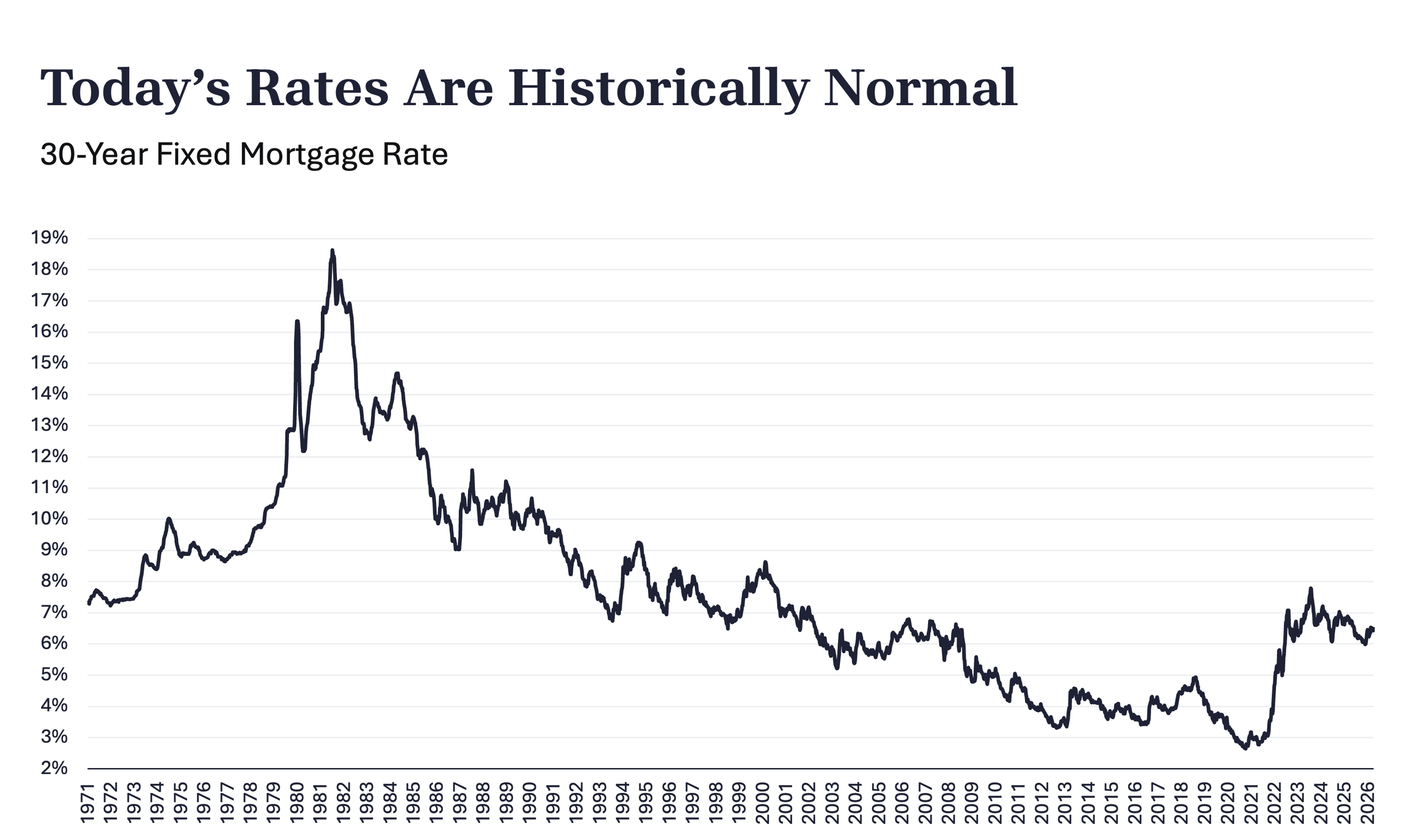
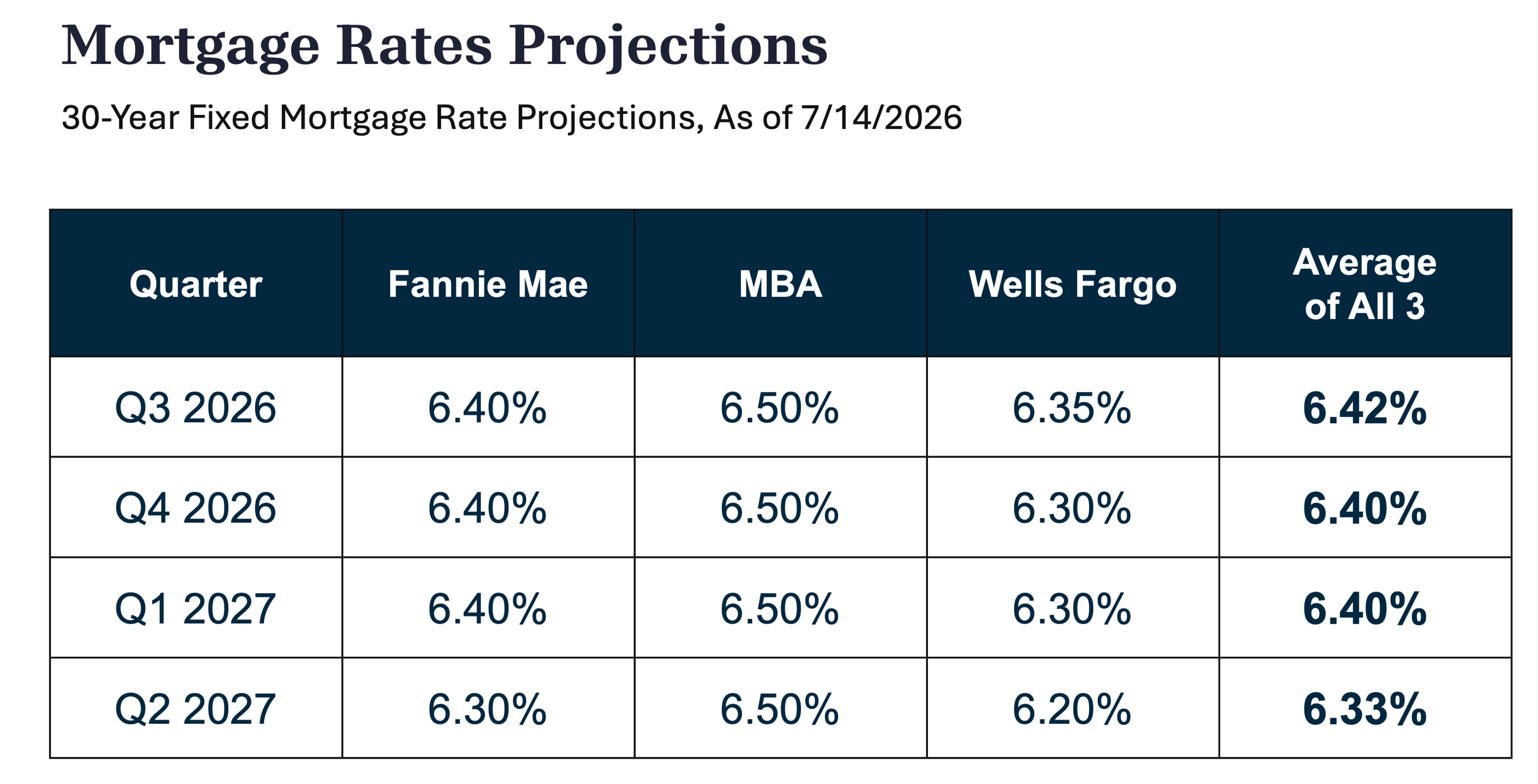
As of June 2026, the 30-year fixed rate remains below where it stood a year earlier. Context matters here — the 30-year rate has averaged roughly 6.2% since 1990, and most forecasters expect it to stay in the 6.0%–6.5% range through year-end. Today's rates aren't the anomaly; the sub-3% rates of 2020–2021 were. Get today's mortgage rates.
Pricing is a discipline problem, not a market problem.
The U.S. median existing-home price hit $440,600 in June, up modestly year-over-year and marking 36 straight months of annual gains. But seller expectations haven't caught up — survey data shows 83% of sellers expect full asking price or more, while roughly 20% of listings saw a price reduction in May alone.
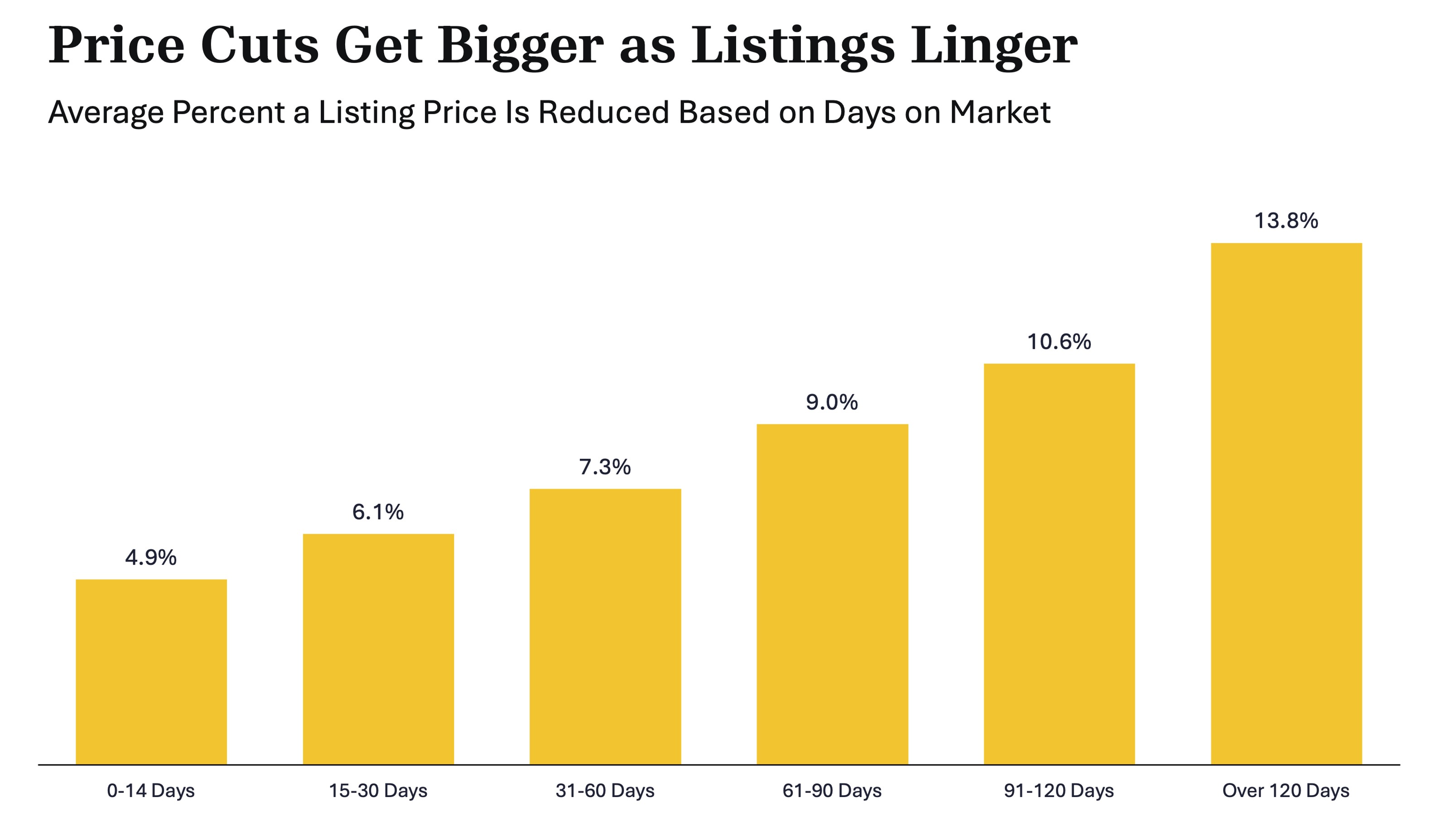
The data is clear that homes priced accurately in the first two to three weeks attract the strongest buyer pool and the most negotiating leverage; homes that start too high tend to chase the market down. And, the longer a home stays on the market, the larger price cuts get.
Inventory is better, but still uneven by region.
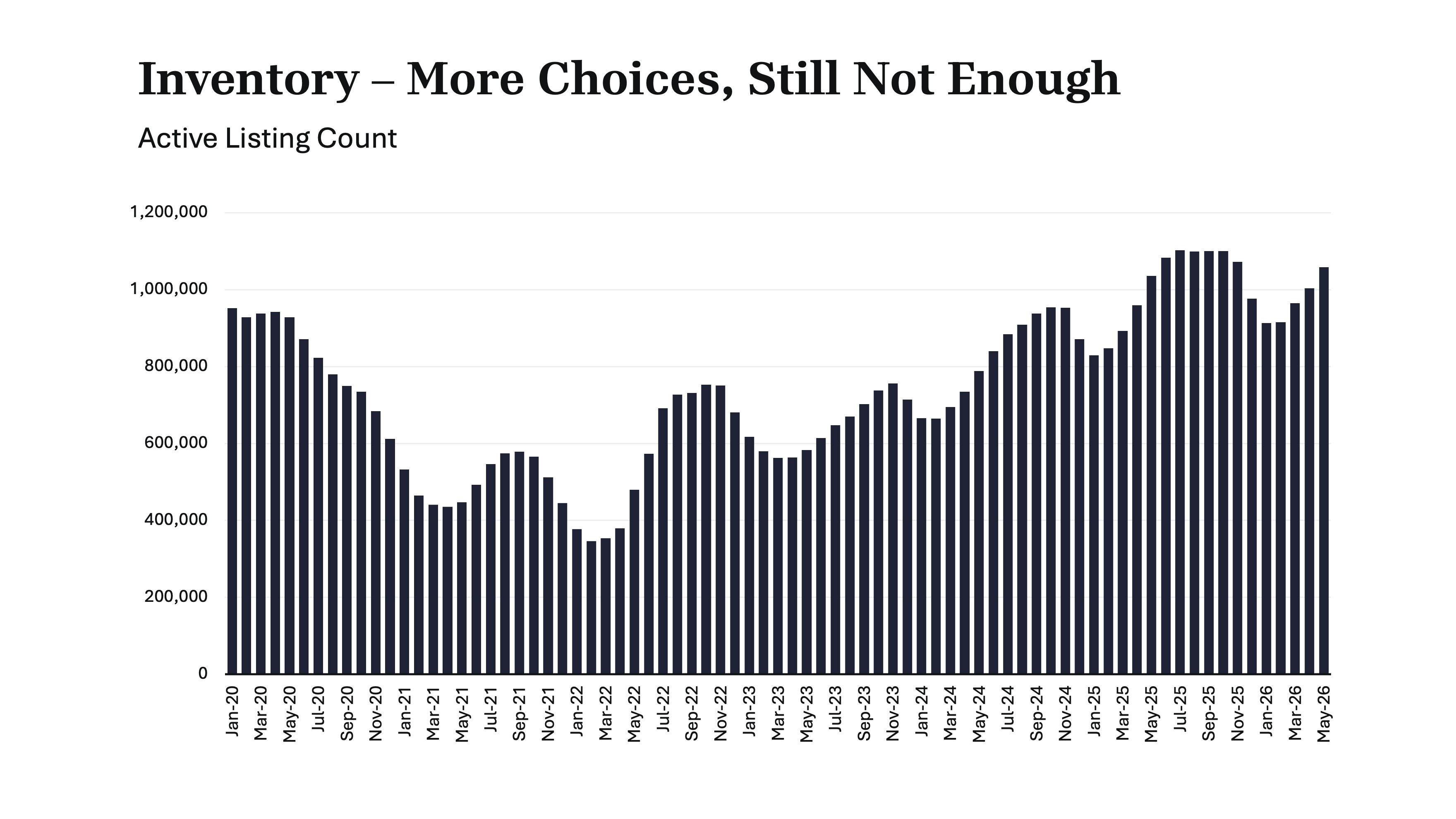
Active listings have climbed meaningfully from pandemic-era lows, giving buyers more time and choice.
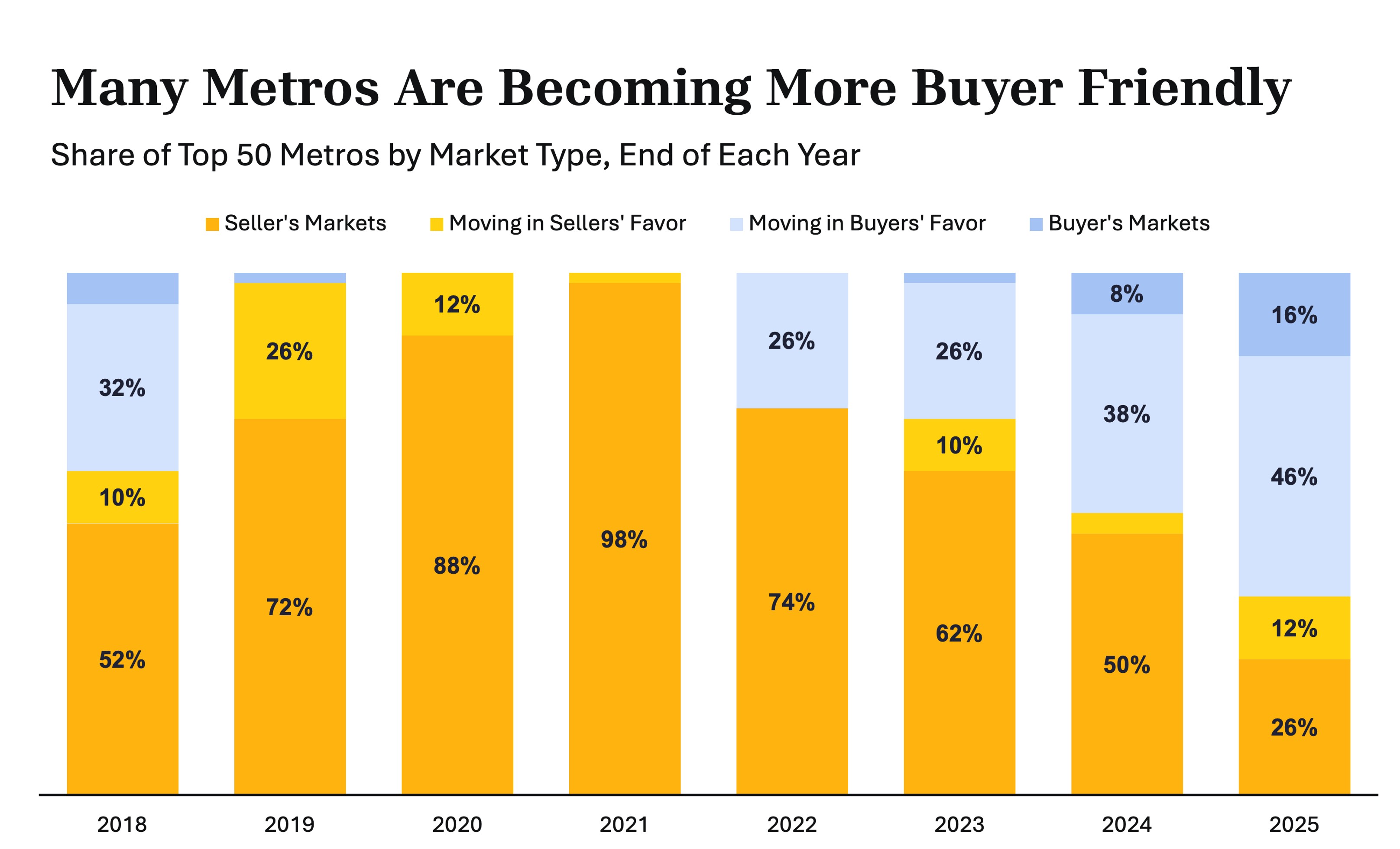
That said, the report is emphatic that national numbers can be misleading: the Northeast remains sharply supply-constrained and seller-favored, the Mountain West has seen real inventory growth (Denver active listings are up more than 50% versus pre-pandemic), and Sun Belt markets that led the pandemic boom are now seeing the most pronounced corrections. Local conditions, not headlines, should guide pricing and offer strategy.
Foreclosures are rising off a low base, not signaling a repeat of 2008.
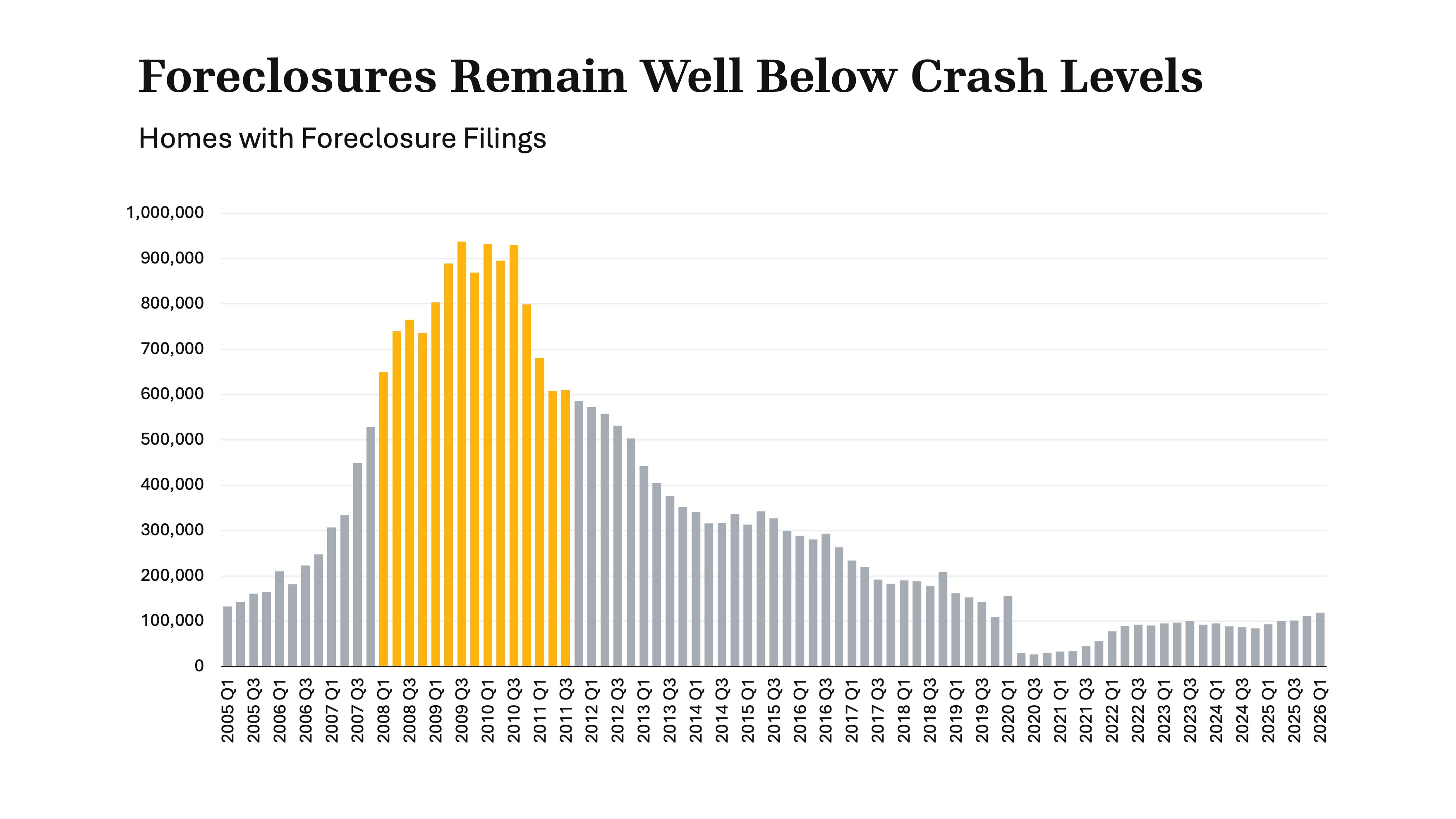
Filings are up year-over-year, but current activity represents about 0.26% of housing units, versus 2.23% at the 2008 peak — and would need to rise eight- to nine-fold to approach crisis levels. The structural difference is equity: the average homeowner now holds roughly $295,000 in home equity, giving distressed owners options (sell, refinance, absorb a rate change) that didn't exist during the last downturn.
Homeownership remains a powerful wealth-building tool.
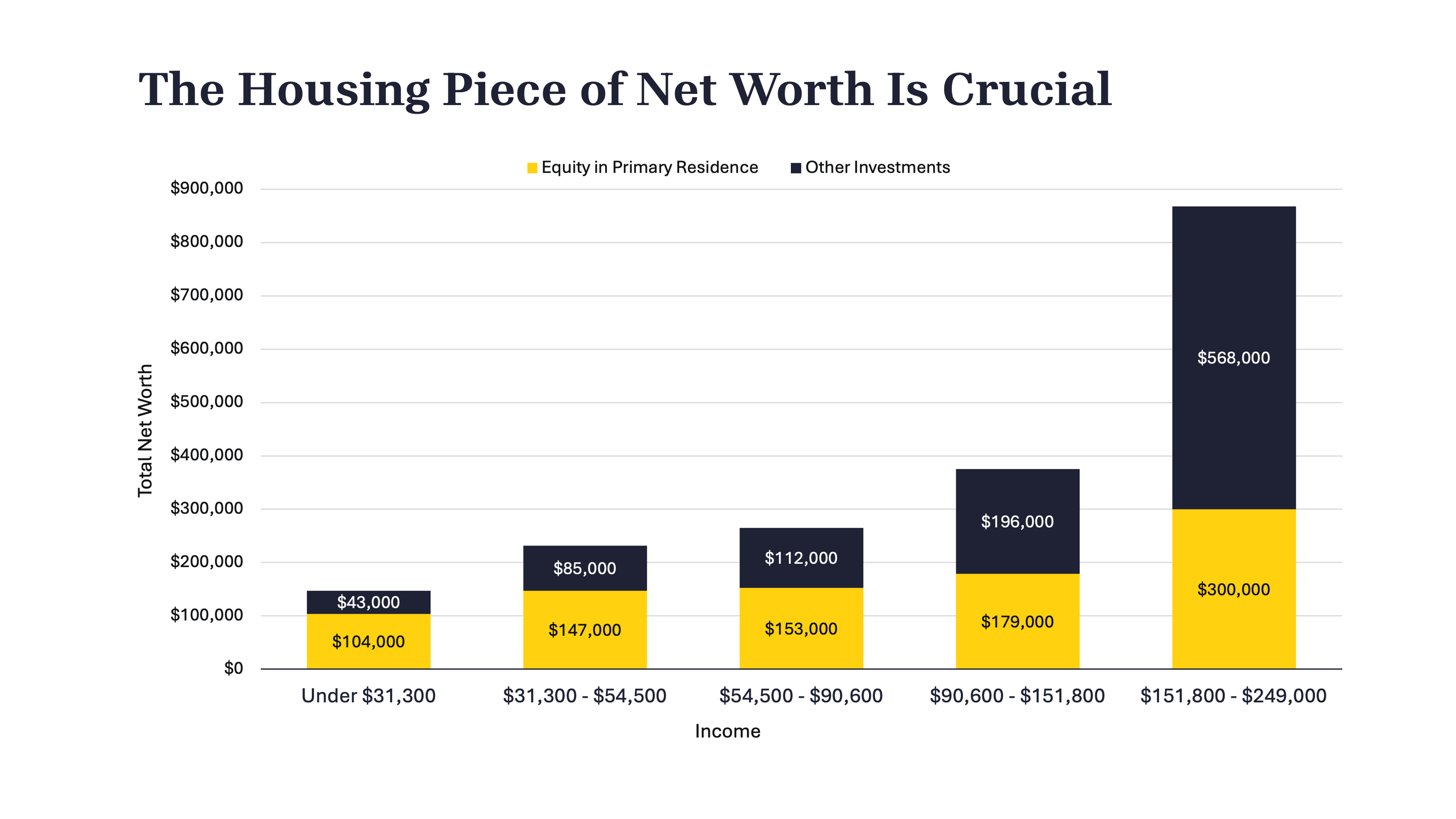
Per Federal Reserve data cited in the report, the typical homeowner's net worth is now about 43 times that of the typical renter, and home equity represents 60%–70% of net worth for most American households. Renovation spending, ADUs, and multigenerational living are all evidence that owners are increasingly treating their homes as long-term financial assets rather than static purchases.
The bottom line
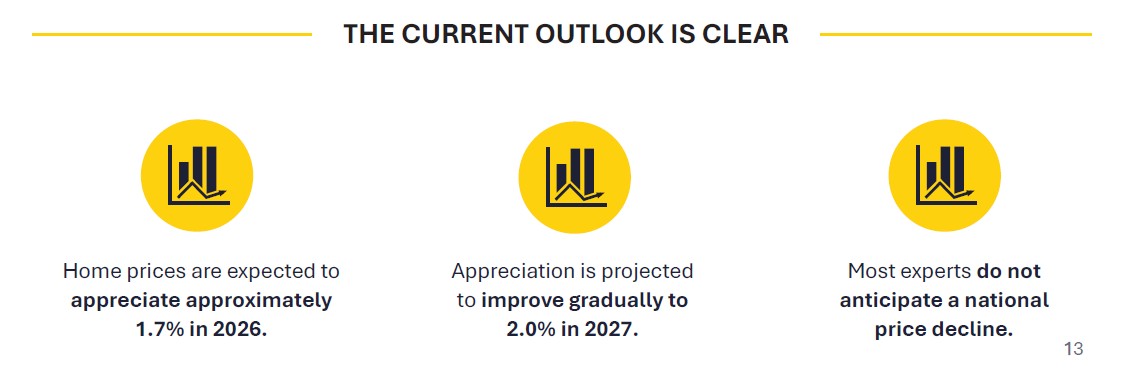
Uncertainty hasn't disappeared, but it hasn't derailed the market either. Buyers and sellers who make decisions based on current, local data — rather than 2021 memories or national headlines — continue to come out ahead.
Data and analysis sourced from the HomeServices of America 2026 Mid-Year National Housing Outlook, in collaboration with Keeping Current Matters. Read the HSoA 2026 Nation Housing Forecast here.