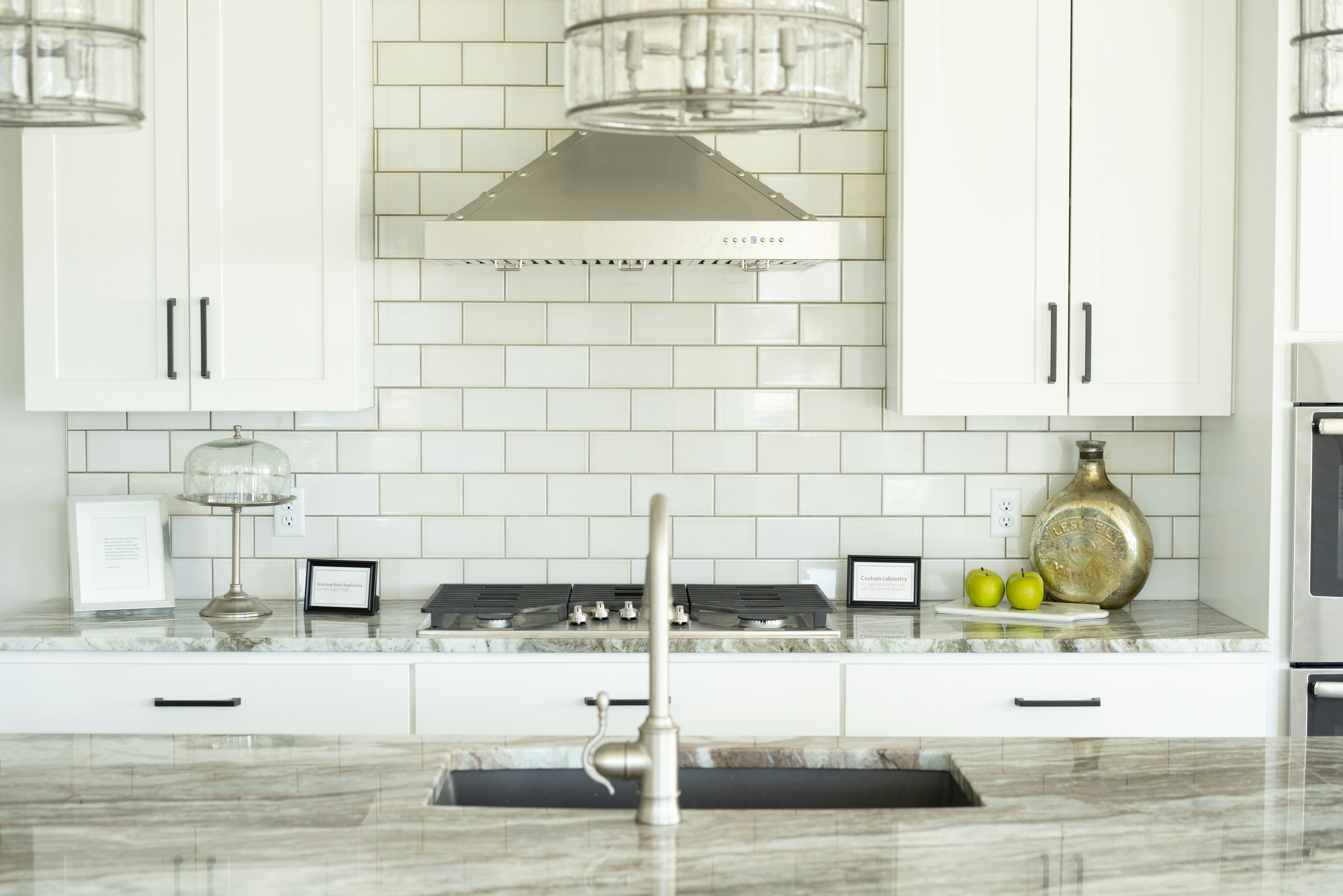
Photo by carolyn christine on Unsplash
A Comprehensive Guide to Types, Applications, and Maintenance
Tile has become a top choice for homeowners seeking both functionality and style in their living spaces.
From kitchens to bathrooms, entryways to outdoor patios, tile offers versatile solutions that cater to a variety of needs. This article explores the advantages of tile in residential homes, reviews popular tile types, discusses applications in different rooms, and provides tips for cleaning and maintenance.
Types of Tile
There are several types of tile commonly used in residential settings, each with unique characteristics.
- Ceramic tile is a classic option, valued for its affordability and wide range of colors and patterns.
- Porcelain tile is denser and less porous than ceramic, making it ideal for high-moisture areas.
- Natural stone tiles, such as granite, marble, travertine, and slate, add a luxurious feel and distinct textures.
- Glass tile provides shimmering accents, often used in backsplashes, while mosaic tiles enable creative designs and intricate patterns.
Selecting the right tile depends on the room, style preferences, and intended usage.
Applications and Room Usage
Tile’s adaptability allows it to be used in nearly every room of a home.
In kitchens, tile is commonly installed as flooring, backsplashes, and even countertops. Its resistance to water and stains makes it perfect for food preparation areas.
Bathrooms benefit greatly from tile’s water resistance, with tiles used for floors, showers, and walls to create a clean, hygienic environment.
Entryways and mudrooms often feature tile flooring, as it can withstand heavy foot traffic and is easy to clean.
Living rooms and bedrooms can also incorporate tile, especially in warmer climates where its cool surface is desirable.
Outdoor spaces, such as patios and pool surrounds, are ideally suited for tile due to its durability and slip-resistant options.
Durability and Longevity
One of tile’s most significant benefits is its durability.
Properly installed tile can last for decades with minimal signs of wear. Porcelain and ceramic tiles resist scratches, chips, and moisture, making them ideal for busy households or homes with pets. Natural stone tiles are similarly robust, though they may require sealing to protect against stains.
Tile surfaces are tough enough to withstand dropped objects and heavy furniture, offering long-term value and reducing the need for frequent replacements.
Cleaning and Maintenance
Tile is renowned for its low-maintenance qualities.
Routine cleaning typically involves sweeping or vacuuming to remove dirt and debris, followed by mopping with a mild detergent. For grout lines, occasional scrubbing with a specialized cleaner helps prevent discoloration and mold growth. Porcelain and ceramic tiles rarely require special treatment, while natural stone tiles may need periodic sealing to retain their appearance and protect against spills.
With proper care, tile maintains its beauty and integrity for years.
Health and Environmental Benefits
Tile is a hypoallergenic flooring option, as it does not harbor dust mites, mold, or allergens.
This contributes to better indoor air quality, especially for allergy sufferers. Additionally, many tiles are made from natural materials and can be recycled, making them an environmentally friendly choice. Tile’s thermal properties can help regulate indoor temperatures, adding to energy efficiency in the home.
Conclusion
Whether renovating a single room or building a new home, tile offers unmatched versatility, durability, and aesthetic appeal. Its wide range of types and applications makes it suitable for every area, while easy cleaning and maintenance add practical benefits.
By choosing tile, homeowners invest in a solution that enhances both the functionality and style of their living spaces, making tile an enduring favorite in residential design.