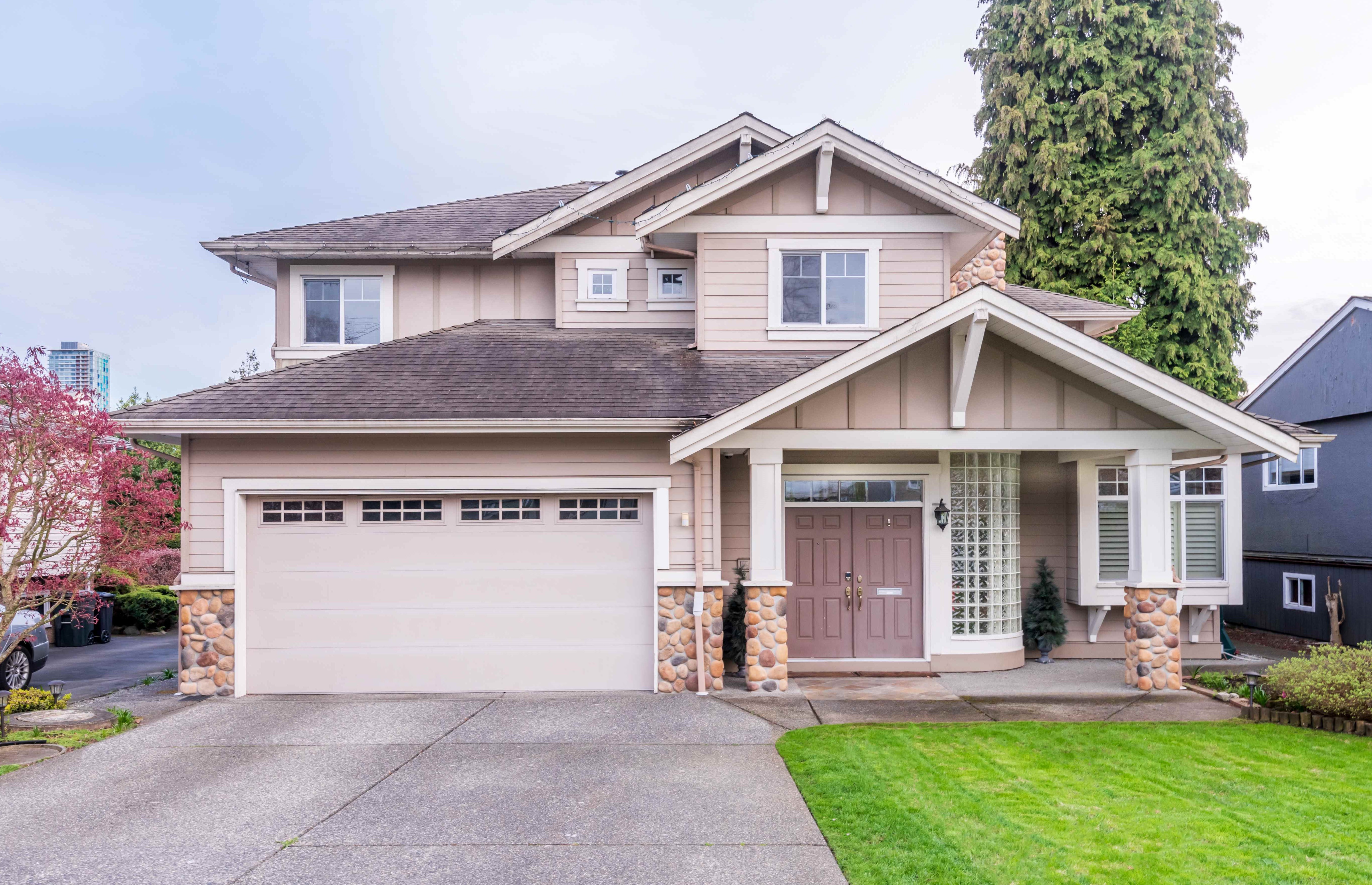
Introduction: The Appeal of Foreclosures
Foreclosed properties have long attracted both home buyers and investors seeking value and opportunity in the real estate market. The process of buying a foreclosure—whether a house, condo, or land—can offer substantial benefits, but it also comes with unique challenges and considerations.
This article provides a clear and practical overview of the foreclosure buying process, highlighting the advantages, potential pitfalls, and key factors to consider when financing such purchases.
Understanding Foreclosures: What Are They and How Do Properties Become Foreclosed?
A foreclosure occurs when a property owner fails to meet their mortgage obligations, prompting the lender to repossess the property.
Once a home, condo, or parcel of land is foreclosed, the lender typically seeks to sell it to recover the outstanding loan balance. Properties can become foreclosed due to job loss, medical emergencies, or other financial hardships, making these sales a common feature of the real estate landscape.
Foreclosed properties are often sold through auctions, bank listings (REO—Real Estate Owned properties), or government sales. Understanding the various avenues for acquiring a foreclosure is essential for buyers seeking the best deals.
The Buying Process: Steps to Acquiring Foreclosed Properties
The process of purchasing a foreclosure differs from traditional real estate transactions. Here are the key steps:
1. Research Available Properties: Start by browsing foreclosure listings from banks, government agencies, or real estate websites. Narrow your options by location, property type, and price range.
2. Secure Financing: Get pre-approved for a mortgage or arrange funding. Some foreclosures require cash purchases, especially at auctions.
3. Inspect the Property: Whenever possible, schedule an inspection to assess the condition. Many foreclosures are sold “as-is,” meaning buyers inherit any existing issues.
4. Make an Offer or Bid: Submit an offer through a real estate agent for bank-owned properties or participate in an auction for others. Ensure your bid reflects repair costs and market value.
5. Complete Due Diligence: Review the title, outstanding liens, and any legal issues. This step is critical to avoid surprises after purchase.
6. Close the Sale: Finalize the transaction by signing paperwork, transferring funds, and taking ownership.
Benefits of Buying Foreclosures
Purchasing a foreclosed property offers several potential advantages:
- Cost Savings: Foreclosures are often priced below market value, making them attractive for buyers looking for affordable homes or investment opportunities.
- Investment Potential: Investors can renovate distressed properties to increase value and generate rental income or profits from resale making them good real estate investments.
- Diverse Inventory: The foreclosure market includes a range of properties—single-family homes, condos, and even undeveloped land—offering choices to suit various needs.
Challenges and Risks: What Buyers Should Know
While the benefits are significant, buying a foreclosure comes with challenges:
- Competition: Many buyers and investors vie for the best deals, increasing bidding wars and reducing availability.
- Property Condition: Foreclosed homes may have deferred maintenance, vandalism, or unresolved repairs. The “as-is” nature means buyers must be prepared for additional costs.
- Legal Complications: Some properties have outstanding liens, unpaid taxes, or title issues. Failing to investigate these can lead to costly legal problems.
- Limited Access: Auction properties might not allow inspections prior to purchase, increasing risk for buyers.
Types of Foreclosed Properties: Homes, Condos, and Land
Foreclosures are not limited to houses. Understanding the differences among property types is essential:
- Homes: Single-family residences are the most common foreclosures. They offer flexibility for personal use or investment but may require extensive repairs.
- Condos: Condominiums can provide lower maintenance and community amenities. However, buyers must consider association rules, fees, and the financial health of the condominium board.
- Land: Purchasing foreclosed land offers opportunities for development or speculation. Buyers should research zoning regulations, utility access, and environmental factors before committing.
Financing Foreclosures: Mortgage Options and Cash Purchases
Financing a foreclosure requires careful planning. Some foreclosures, especially auctioned properties, may require cash payment. For bank-owned and government properties, traditional mortgage types, FHA loans, or specialized renovation loans (like the FHA 203(k)) may be available.
Buyers should consult with lenders experienced in foreclosures, as the process can be more complex than standard purchases. Factors like property condition, valuation, and title issues can affect loan approval. Pre-approval and proof of funds are often required to participate in auctions or submit offers.
Tips for Success: Making Informed Decisions
- Conduct Thorough Research: Study local market trends, property values, and the specifics of each foreclosure listing.
- Invest in Inspections: Hire a qualified inspector or appraiser when possible to uncover hidden problems.
- Work with Professionals: Seek guidance from experienced real estate agents, lawyers, and lenders who understand the foreclosure market.
- Budget for Repairs: Factor in renovation costs when determining your offer and financing needs.
- Be Patient: The foreclosure buying process can be lengthy and competitive; persistence pays off.
Conclusion: Navigating Foreclosures with Confidence
Buying foreclosures can be a pathway to significant savings and rewarding investments, provided buyers approach the process with knowledge and caution. By understanding the steps, assessing risks, and securing proper financing, home buyers and investors can make informed decisions that align with their goals.
With careful planning and professional support, the world of foreclosures presents opportunities to achieve homeownership or expand a real estate portfolio.