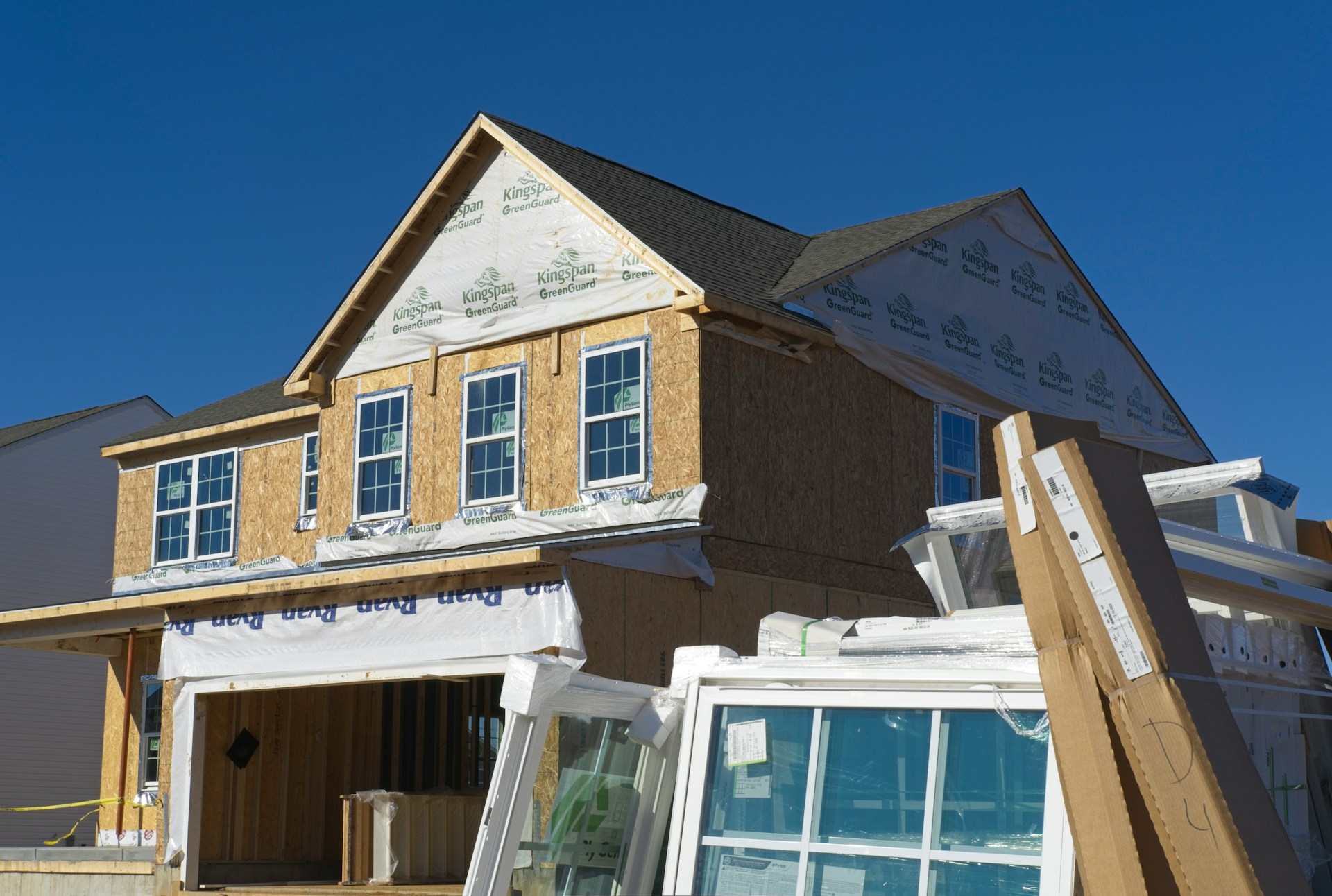
Understanding Construction Loans: A Comprehensive Guide to How Construction Loans Work
Construction loans are specialized short-term financing options used to fund the building of a new home or major renovations to an existing property.
Unlike traditional mortgages, which provide a lump sum to purchase a completed home, construction loans are designed to cover the costs associated with building or rehabilitating a property from the ground up. Understanding how construction loans work is essential for anyone considering building a home or undertaking a significant construction project.
How Construction Loans Differ from Traditional Mortgages
While a traditional mortgage provides funds upfront to purchase a completed property, a construction loan releases money in stages as the construction progresses. This process is known as "draws."
Each draw corresponds to a specific phase of the building project, such as laying the foundation, framing, or completing interior work. Lenders typically send an inspector to verify that each phase is complete before releasing the next portion of funds.
Types of Construction Loans
- Construction-to-Permanent Loan: This option combines the construction loan with a traditional mortgage. The borrower takes out a loan to cover the construction costs, and once the home is built, the loan converts to a standard mortgage. This eliminates the need to reapply for a new loan after construction, saving time and money on closing costs.
- Stand-Alone Construction Loan: Also known as a "two-close" loan, this requires the borrower to get two separate loans: one for the construction phase and another to pay off the construction loan once the project is completed. This option may be more suitable for individuals who need more time to arrange permanent financing.
How the Draw Process Works
With construction loans, the lender does not provide the entire loan amount upfront. Instead, funds are released in a series of draws aligned with the project's timeline. So, it's important to know how much home you can afford.
After each phase, the borrower or builder requests a draw, and the lender typically sends an inspector to verify that the work has been completed to standard. This system helps ensure that the funds are being used appropriately and that the project stays on track.
Interest Rates and Payments
Construction loans usually carry higher interest rates than traditional mortgages because they are considered riskier. During construction, borrowers typically make interest-only payments on the amount drawn to date, not the full loan amount.
Once the project is finished and the loan converts to a mortgage (for construction-to-permanent loans), regular principal and interest payments begin, often at a lower rate.
Requirements and Considerations
Qualifying for a construction loan can be more challenging than for a traditional mortgage.
Lenders require detailed plans, a realistic construction timeline, and a qualified builder. They may also require a larger down payment, often 20% or more. Borrowers should be prepared for thorough documentation and oversight throughout the construction process.
Conclusion
Construction loans provide essential financing for building or renovating a home, offering flexibility and oversight that help ensure successful project completion.
By understanding the structure, requirements, and risks of construction loans, borrowers can make informed decisions and bring their dream homes to life.