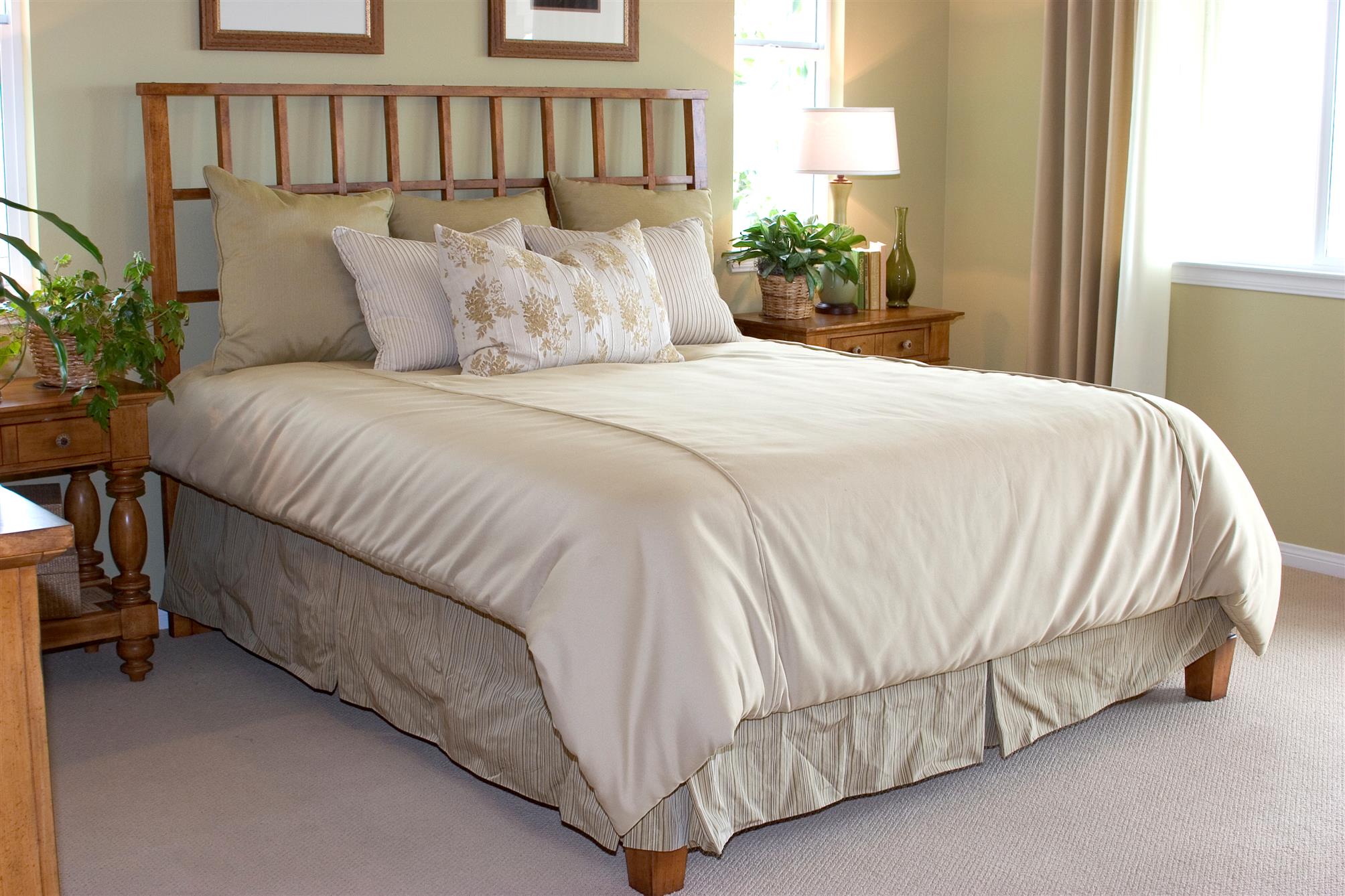
Maximizing Appeal, Value, and Speed in the Real Estate Market
When preparing to sell your home, one of the most effective strategies to attract buyers, maximize your sale price, and ease the selling process is staging. Staging transforms a lived-in space into a showcase property that invites potential buyers to imagine themselves building their own memories within its walls.
The process involves more than simple cleaning or decorating—it is a deliberate effort, combining marketing savvy and design expertise to make your home irresistible.
What is Home Staging?
Home staging is the art of preparing and presenting a property to highlight its strengths and minimize its weaknesses. It can range from rearranging furniture and adding decorative accents to undertaking minor repairs and depersonalizing the space.
The goal is to create an environment that feels welcoming, spacious, and move-in ready, allowing buyers to envision themselves living there. Professional stagers use design principles—balance, lighting, scale, and flow—to help your home stand out in online listings and in-person showings.
Why is Staging Important?
Staging is crucial for several reasons. First, homes that are properly staged are proven to sell faster and often for a higher price than non-staged properties.
A well-staged home photographs better, which is vital in today’s digital market where buyers form their first impressions online.
Staging helps neutralize the space, appealing to the broadest pool of buyers. It draws attention away from flaws and toward the home’s best features, such as natural light, spacious rooms, or architectural details.
In competitive markets, staged homes stand out among similar listings, giving sellers a distinct advantage.
Tasks of the Homeowner
- Decluttering: Remove personal items, excess furniture, and unnecessary decorations to create a clean, open atmosphere.
- Cleaning: Thoroughly clean every room, including windows, floors, and kitchen appliances, to ensure a fresh presentation.
- Minor Repairs: Fix leaky faucets, chipped paint, broken handles, or any visible issues that could detract from a buyer’s impression.
- Depersonalizing: Take down family photos and personal memorabilia, allowing buyers to picture their own lives in the space.
- Exterior Improvements: Maintain the yard, sweep walkways, and add inviting touches like potted plants or a new doormat for curb appeal.
Tasks of the Realtor
- Market Analysis: Also known as a CMA (Comparative Market Analysis), advise the homeowner on local trends and buyer preferences to guide staging decisions.
- Coordination: Connect the homeowner with professional stagers, photographers, and service providers if needed.
- Feedback: Offer honest input on the home’s strengths and weaknesses, suggesting changes to improve marketability.
- Showings: Ensure the home is always presented in its best light during open houses and private tours.
Tasks of the Stager
- Design Expertise: Assess the property and develop a plan to highlight its best features using furniture, art, and accessories.
- Furniture Placement: Arrange existing or rental furniture to optimize flow and space.
- Neutralizing Decor: Select colors and styles that appeal to a wide audience.
- Accessorizing: Add strategic accents—like fresh flowers, throw pillows, or curated books—to create warmth and style.
- Final Touches: Ensure every detail is polished before photography or showings.
Home staging isn’t just about aesthetics; it’s a strategic investment.
Sellers, realtors, and stagers each play a crucial role in presenting a property that stands out and secures the best possible outcome. By working together, they turn a home into a buyer’s dream—making the sale smoother, faster, and more profitable.
Looking to sell your home, contact us today!