Practical Advice for Homeowners, Gardeners, and Landscaping Enthusiasts
As the days grow shorter and temperatures begin to drop, fall offers a unique opportunity to refresh and prepare your landscape for the months ahead.
Thoughtful fall landscaping not only enhances your curb appeal but also sets the stage for a healthy, beautiful garden next spring. With a little planning, you can enjoy vibrant colors and a thriving yard well into the cooler season.
Essential Fall Maintenance
Proper maintenance is the key to a great autumn landscape. Start by raking leaves regularly to prevent them from smothering your lawn, which can lead to dead patches and mold.
Fall is also the ideal time to aerate your lawn, allowing water and nutrients to reach the roots more effectively. Consider applying a slow-release fertilizer to strengthen grass before winter sets in.
Pruning is another important task; remove dead or diseased branches from shrubs and trees to promote healthy growth.
Mulching garden beds with a layer of organic material helps insulate roots, retain moisture, and suppress weeds.
Don’t forget to clean out gutters and remove debris from around your foundation to prevent water damage as the season progresses.
Preparing for Winter
Fall is the perfect moment to prepare your garden for the challenges of winter. Begin by cutting back spent annuals and perennials, but leave some seed heads for birds to enjoy.
Wrap delicate shrubs with burlap or use protective plant covers to shield them from frost and wind. Clear away dead plant material to reduce the risk of pests and disease overwintering in your beds.
If you have container plants, move them to a sheltered area or indoors before the first freeze. Drain and store garden hoses, and shut off outdoor water sources to avoid burst pipes during cold snaps.
Common Fall Plants: Perennials and Annuals
Some plants truly shine in the fall. Popular perennials like sedum, asters, and chrysanthemums provide lasting blooms and structure.
Ornamental grasses add movement and texture, turning golden as temperatures drop. For annuals, consider planting pansies and ornamental kale, which tolerate chilly nights and continue to add color until winter.
Perennials vs. Annuals: Pros, Cons, and Planting Tips
Perennials are plants that return year after year, making them a smart investment for long-term beauty and lower maintenance. They’re perfect for foundational plantings and borders.
Annuals, on the other hand, complete their life cycle in a single season, offering bold color and flexibility. A mix of both creates visual interest and ensures continuous blooms.
When planting perennials in the fall, give them enough time to establish roots before the ground freezes—usually four to six weeks before the first frost. Annuals planted in autumn are best suited for filling gaps and adding instant color.
Best Colors for Fall: Foliage and Flowers
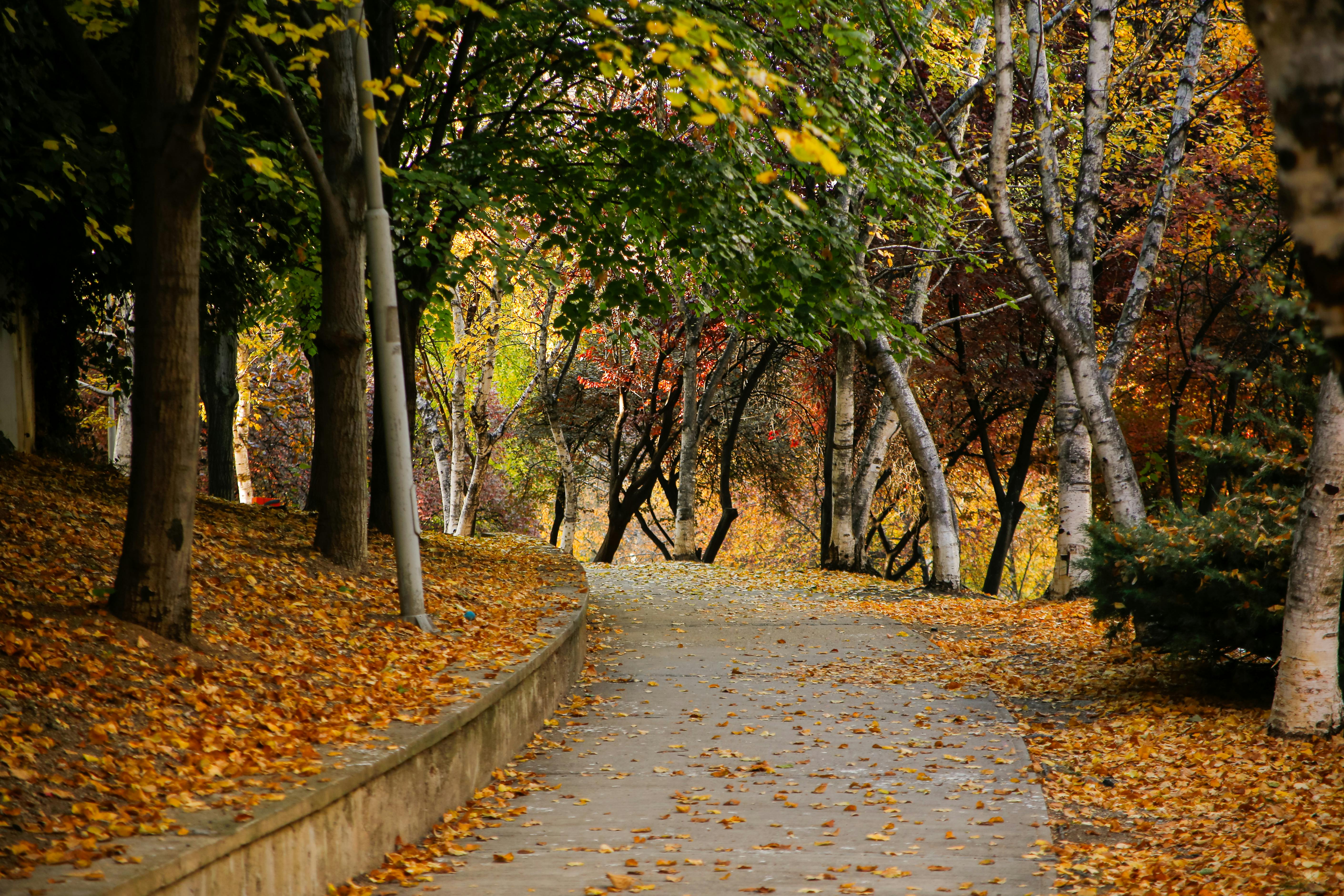
Nothing says fall like brilliant reds, oranges, and yellows. Trees such as maples, dogwoods, and sweetgums dazzle with fiery foliage.
Shrubs like burning bush and oakleaf hydrangea offer vivid leaves and late-season blossoms. For flowers, look to goldenrod, mums, and asters. Even ornamental peppers and pumpkins can add pops of festive color to your garden beds and containers.
Conclusion: Plan and Enjoy Your Fall Landscape
With a few simple steps, you can transform your outdoor space into a fall masterpiece.
Embrace the season by maintaining your garden, preparing for winter, and experimenting with colorful plants. Whether you’re a seasoned gardener or just starting out, fall is a great time to get outside, be creative, and enjoy the changing landscape.
Is it time to sell?? Check out these easy and simple landscaping tips to sell your home.