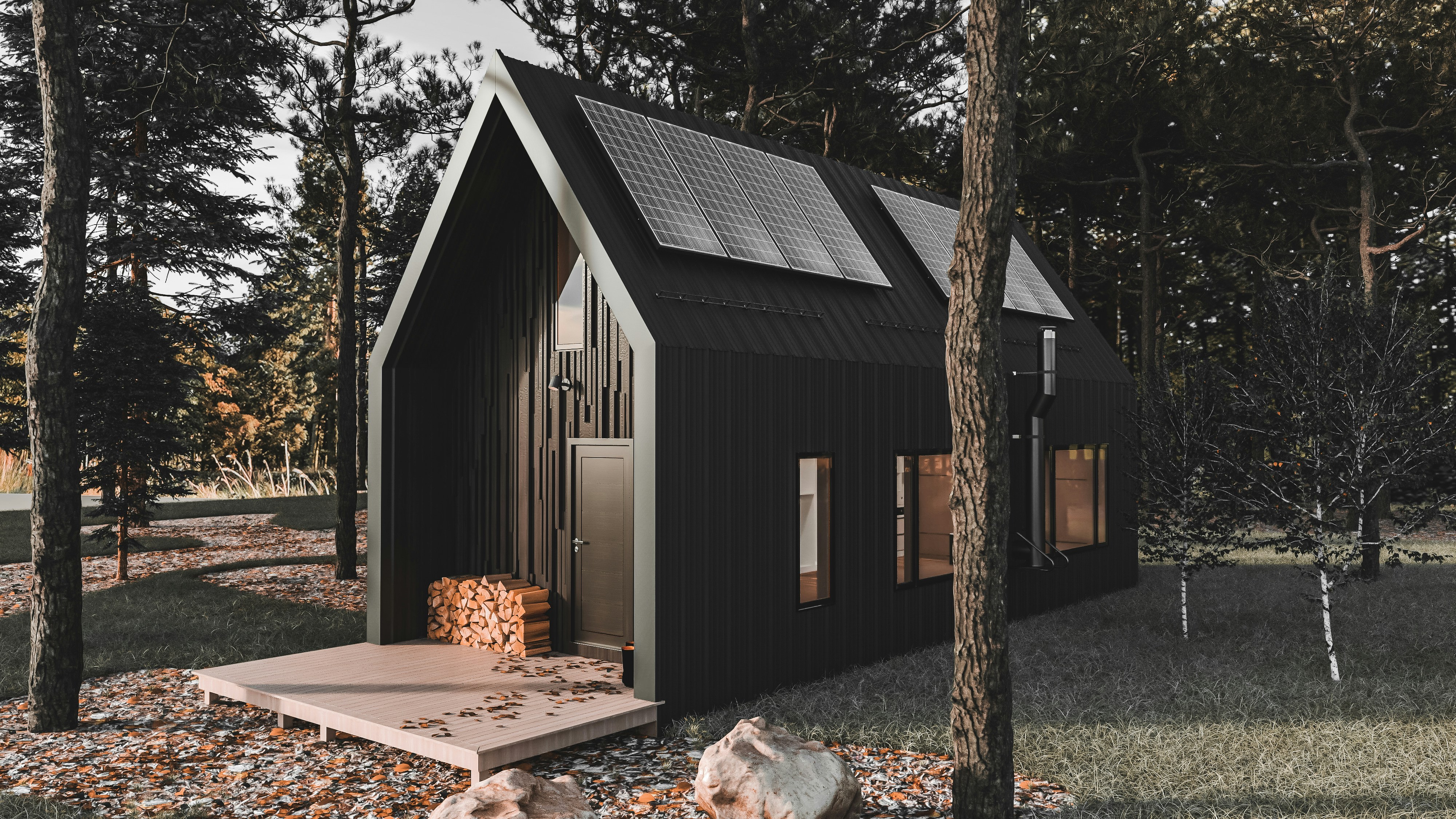
Photo by Thomas Werneken on Unsplash
Tiny homes and alternative living options are gaining attention, even in markets like North Atlanta. Local real estate professionals in Roswell, Woodstock, Sandy Springs, and Alpharetta are beginning to see increased interest from buyers seeking more flexible, affordable, and sustainable housing solutions.
This trend is reshaping how agents approach property listings and client consultations, as many clients are no longer solely focused on traditional single-family homes.
Zoning Regulations
These homes offer affordability, efficiency, and a simplified lifestyle. However, zoning regulations can limit where they’re allowed.
In cities such as Roswell and Alpharetta, local ordinances often dictate minimum lot sizes, setbacks, and permissible uses, making it critical for real estate professionals to stay informed on updates and advocate for clients interested in alternative living.
Some municipalities are exploring changes to zoning codes to accommodate accessory dwelling units (ADUs) and smaller structures, but there are still hurdles to overcome.
Some homeowners are exploring accessory dwelling units or converting existing structures into smaller living spaces. These options can provide flexibility for multigenerational living or rental income.
For example, in Woodstock, families are increasingly interested in ADUs as a way to house elderly relatives or adult children while maintaining privacy and independence. Realtors should be prepared to discuss the permitting process, potential property value impacts, and financing options for clients considering these alternatives.
Lifestyle and Investment Opportunities
For investors, tiny homes may present opportunities in short-term rentals, depending on local rules. In Sandy Springs, proximity to major employers and entertainment districts makes tiny homes and converted spaces attractive for Airbnb or VRBO listings.
However, short-term rental regulations vary widely across North Atlanta communities, so investors should consult local ordinances and stay abreast of recent policy changes. Real estate agents can add value by helping clients navigate these legal complexities and identify properties with strong rental potential.
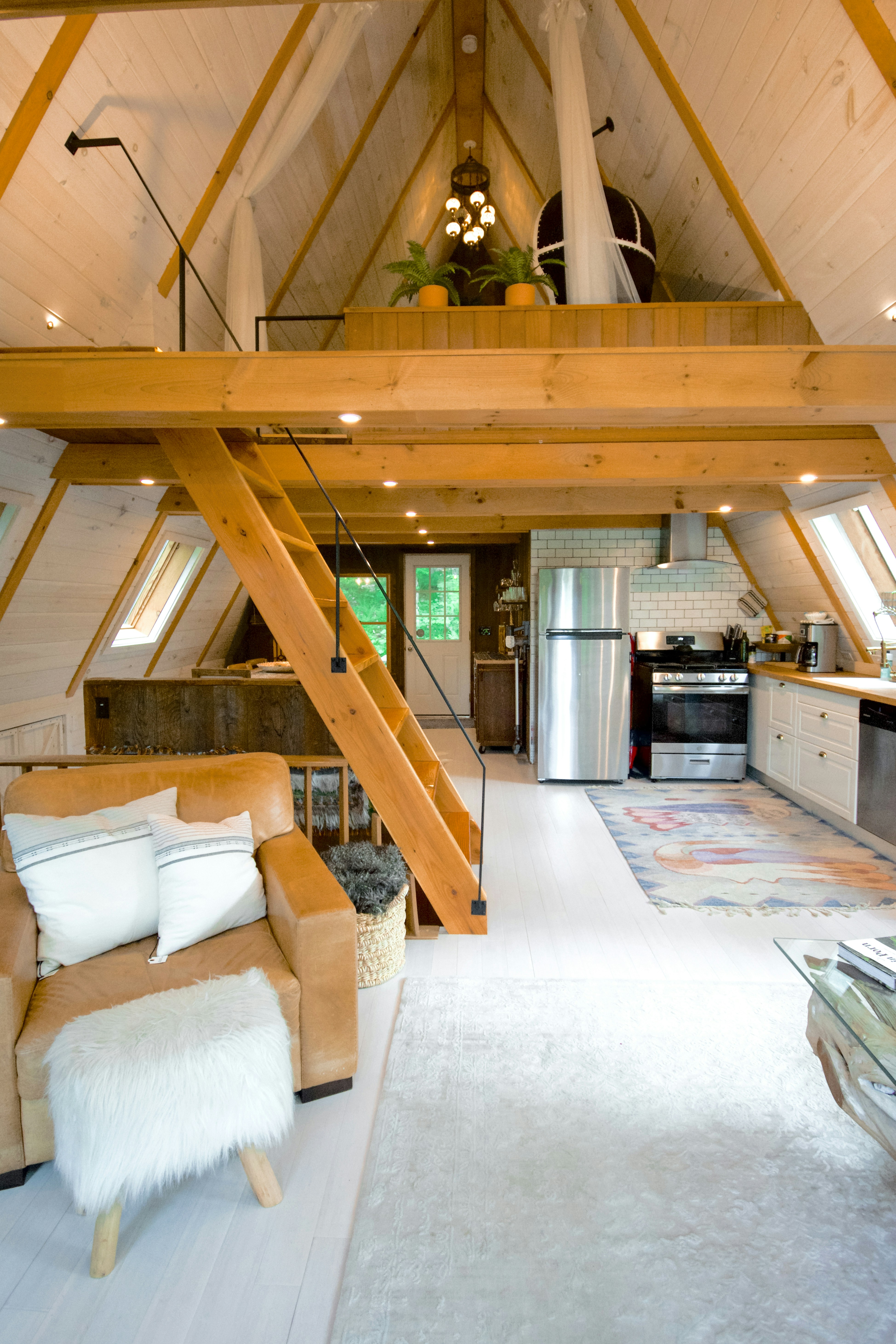
Photo by Andrea Davis on Unsplash
While still a niche market, the trend reflects a broader shift toward flexibility and affordability in housing. As more buyers prioritize sustainability, reduced maintenance, and creative use of space, tiny homes and alternative living arrangements are likely to play a growing role in the real estate landscape of Roswell, Woodstock, Sandy Springs, and Alpharetta.
Real estate agents can distinguish themselves by staying educated on local ordinances, understanding the unique needs of tiny home buyers, and maintaining relationships with reputable builders and contractors specializing in these types of projects.
What's Ahead for Tiny Homes?
Looking ahead, the demand for tiny homes and ADUs may prompt local governments to revisit zoning policies and encourage more inclusive housing options.
Real estate professionals who anticipate this shift and educate their clients about the benefits and challenges of alternative living will be well-positioned to thrive in this evolving market.
As buyers and investors seek more flexible solutions for their lifestyles and portfolios, tiny homes could become an increasingly common feature in listings throughout North Atlanta.
Ultimately, the rise of tiny homes and alternative living is more than a passing fad—it represents a fundamental change in how people think about housing, community, and investment. By embracing this trend and providing expert guidance, real estate professionals in Roswell, Woodstock, Sandy Springs, and Alpharetta can help clients make informed decisions and find homes that truly fit their needs for today and tomorrow.