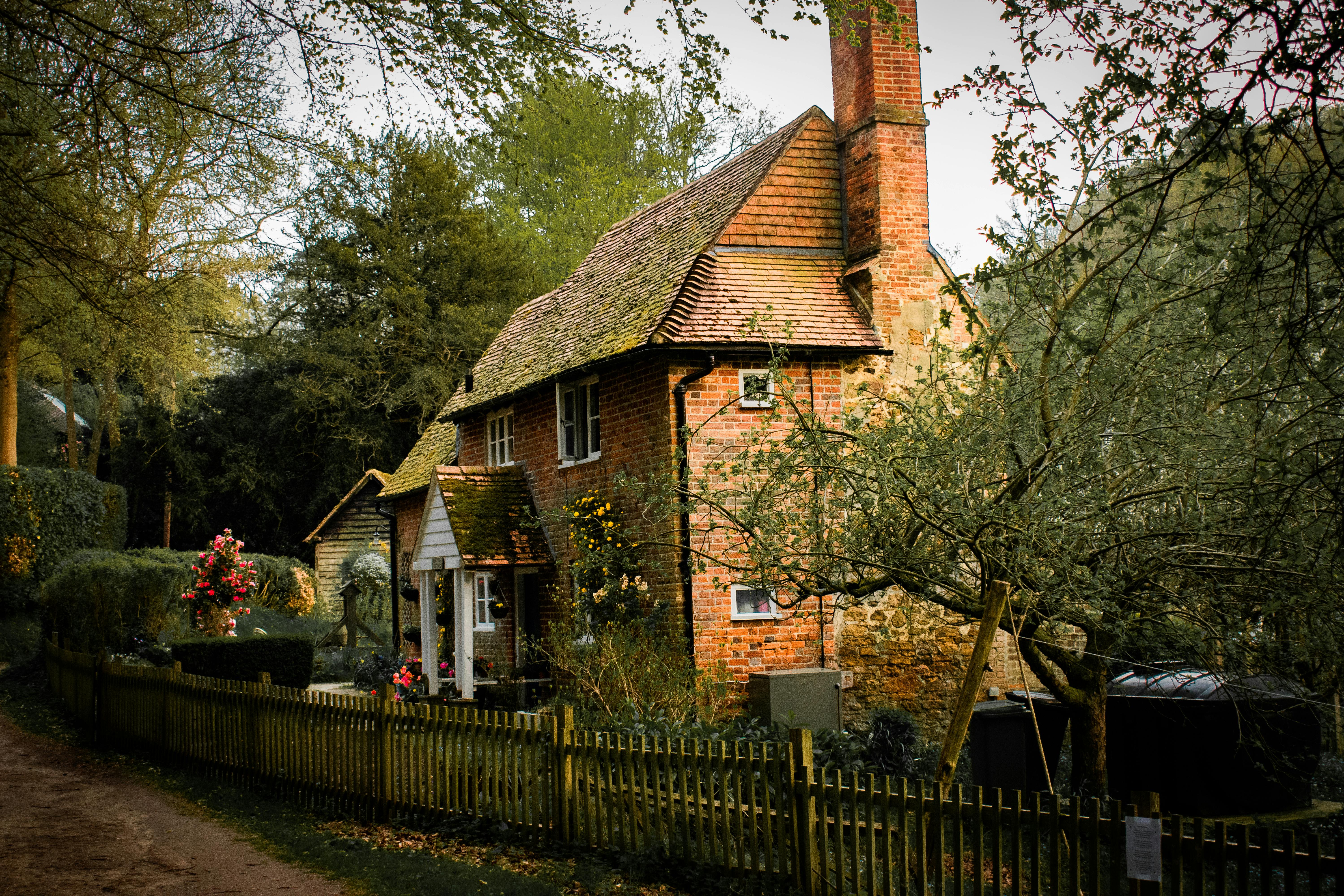
A Practical Guide for Homeowners and Property Managers
The roof is one of the most critical components of any building, safeguarding interiors from the elements and playing a significant role in energy efficiency and curb appeal.
Selecting the right roofing material is an important decision for homeowners and property managers, as it impacts expenses, durability, maintenance needs, and even property value.
This article covers the essentials: roof costs, expected lifespan, the pros and cons of common roofing materials, recommendations for the best options, damage replacement, treatments to extend roof life and get top dollar for your home, maintenance advice, and an overview of shingle types.
Roof Costs: Installation and Replacement
Roof installation and replacement costs can vary widely based on material, roof size, complexity, and region.
On average, U.S. homeowners can expect to pay between $5,000 and $15,000 for a new roof, with asphalt shingles generally being the most affordable. Metal and tile roofs command higher prices, ranging from $10,000 to $25,000 or more. Labor, underlayment, and disposal of old material add to the total expense.
It's wise to obtain multiple estimates and confirm what each quote includes.
Lifespan of Roofs: How Long Do Roofs Last?
The longevity of a roof depends primarily on the material:
- Asphalt shingles: 15-30 years
- Metal roofing: 40-70 years
- Clay or concrete tiles: 40-100 years
- Wood shingles/shakes: 20-40 years
- Slate: 75-200 years
Factors such as climate, installation quality, and regular maintenance can greatly influence these figures.
Types of Roofing Materials: Pros and Cons
- Asphalt Shingles: Affordable, widely available, easy to install and replace. However, they have a shorter lifespan and can be prone to wind and hail damage.
- Metal Roofing: Long-lasting, lightweight, fire-resistant, and energy-efficient. Initial costs are higher, and installation requires specialized expertise.
- Tile (Clay/Concrete): Extremely durable and fire-resistant, adds character to homes. Heavy and expensive; may require additional roof support.
- Wood Shingles/Shakes: Natural appearance and good insulation. Vulnerable to fire, insects, and rot without proper treatment.
- Slate: Remarkably durable and attractive, offers a classic look. Very heavy, expensive, and requires skilled installation.
Best Roofing Material: Recommendations
The “best” roofing material depends on several factors:
- For budget-conscious homeowners: Asphalt shingles are affordable and reliable.
- For long-term durability: Metal or slate offer exceptional lifespans and performance.
- For warm climates: Clay or concrete tiles help keep homes cool and withstand heat.
- For eco-friendliness: Metal roofs and recycled composite shingles are good choices.
Consulting a local roofing professional ensures the choice suits both climate and building needs.
Damage Replacement: When and How to Act
Common signs of roof damage include missing or curled shingles, leaks, water stains on ceilings, and granules in gutters. These types of damage can be found by most home inspectors.
If damage is localized, spot repairs may suffice. For widespread issues or older roofs, full replacement is usually recommended. The process involves removing old materials, inspecting and repairing the decking, installing underlayment, and then placing new roofing material.
Always use licensed, insured contractors for safety and warranty protection; and have your roof inspected as you get ready to sell your home.
Treatments to Extend Roof Life
Several treatments can help prolong a roof’s lifespan:
- Protective coatings and sealants: Applied to flat or metal roofs to prevent leaks and reflect UV rays.
- Fungicide and algaecide treatments: Useful for wood and asphalt roofs in humid regions to prevent moss and algae growth.
- Gutter and debris management: Reduces water pooling and ice dams, which can cause premature deterioration.
Maintenance Tips for a Long-Lasting Roof
- Inspect your roof twice a year and after major storms for signs of wear or damage.
- Keep gutters clear of leaves and debris to prevent water backup.
- Trim overhanging branches to avoid physical damage and reduce moss growth.
- Address minor repairs promptly to prevent larger problems.
- Schedule professional inspections every few years to catch hidden issues.
Types of Shingle Materials
- Asphalt shingles: Most popular due to affordability and versatility; available in many colors and styles.
- Wood shingles: Attractive and natural but require more maintenance and are less fire-resistant.
- Metal shingles: Durable, lightweight, and suitable for various climates; often made from recycled materials.
- Composite shingles: Made from a mixture of materials (such as fiberglass, recycled plastics); mimic the look of wood or slate with less maintenance.
Conclusion
Choosing the right roofing material impacts your home's appraisal, and is a significant investment in your property’s safety, comfort, and value.
Consider your budget, local climate, and desired appearance, and don’t overlook the importance of proper maintenance and timely repairs. With thoughtful selection and care, your roof will provide many years of reliable protection.