Radon is a naturally occurring radioactive gas that forms when uranium in soil, rock, and water breaks down over time.
It is colorless, odorless, and tasteless, making it impossible to detect without specialized testing equipment. Because radon gas can seep into homes through cracks in foundations, crawl spaces, gaps around pipes, and other openings, it can accumulate indoors without homeowners realizing it.
Radon's Impact on Your Health
The primary concern with radon exposure is its potential impact on health.
According to the U.S. Environmental Protection Agency (EPA), radon is the second leading cause of lung cancer in the United States after smoking.
Long-term exposure to elevated radon levels may increase the risk of developing lung cancer, particularly for smokers and former smokers. For this reason, many homeowners and homebuyers choose to test for radon as part of their overall home maintenance and due diligence.
Radon Testing
Radon testing is a simple process that measures the concentration of radon gas inside a home.
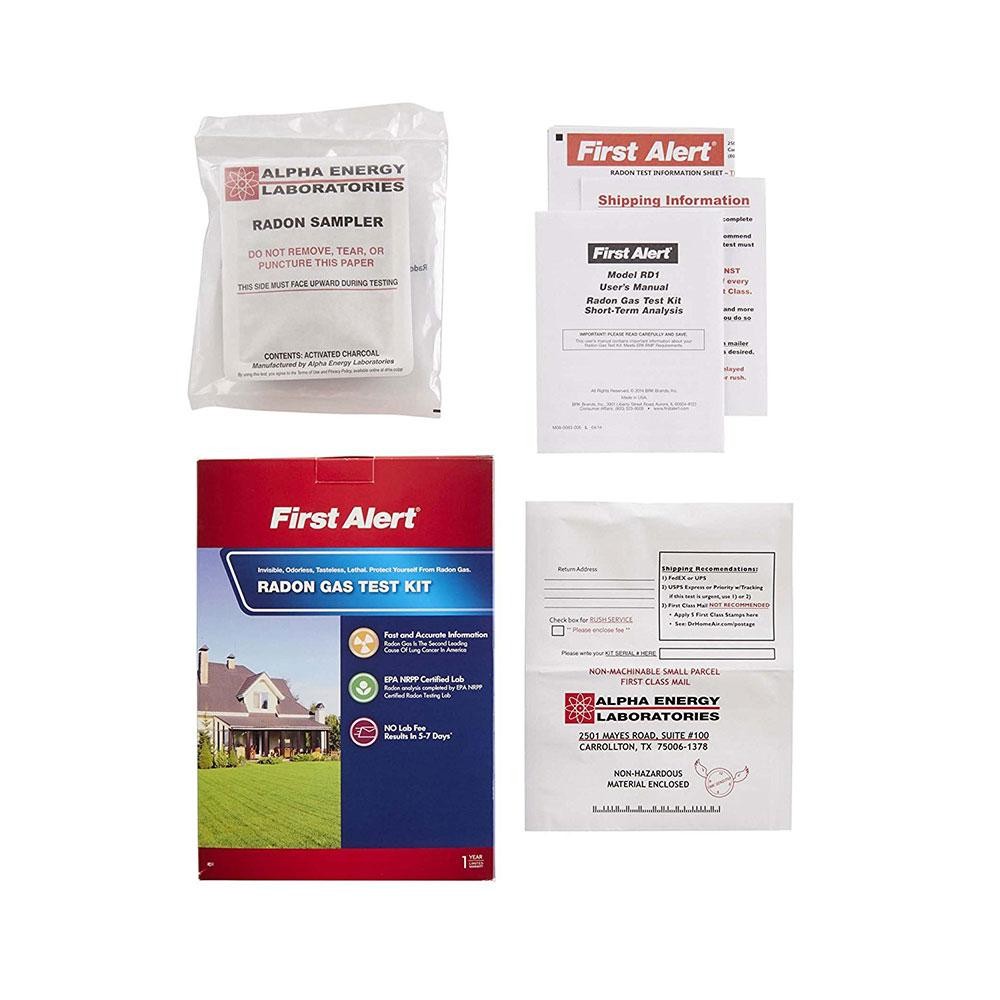
During a real estate transaction, testing is often performed by a qualified radon professional or home inspector using specialized monitoring devices. These devices are typically placed in the lowest livable area of the home for a specific period, often 48 hours or longer, to collect accurate readings. Homeowners can also purchase do-it-yourself testing kits for routine monitoring.
Test Tolerances
Test results are measured in picocuries per liter (pCi/L). The EPA recommends considering mitigation if radon levels are 4.0 pCi/L or higher. If elevated levels are detected, a radon mitigation system can often be installed to reduce concentrations. These systems commonly use vent pipes and fans to safely direct radon gas from beneath the home to the outside air.
It's important to understand that radon can be found in homes of any age, size, price range, or construction type. Even neighboring homes can have significantly different radon levels. As a result, testing is the only reliable way to determine whether a property has elevated radon concentrations.
For buyers, sellers, and homeowners alike, radon testing provides valuable information about a property's indoor environment and can help support informed decisions regarding health, safety, and long-term homeownership.
Have more questions? Visit our Q&A page.