By Karen S. Faber, REALTOR® — Faber + DoVale Team, Harry Norman, REALTORS®
Kitchen renovations are consistently among the most-asked-about improvements from sellers preparing to list, and for good reason — the kitchen remains one of the first spaces buyers judge a home by and its a high ROI home upgrade. But not every upgrade returns its cost at resale, and the gap between “nice to have” and “actually moves the needle” is worth understanding before you spend.
What Tends to Hold Value
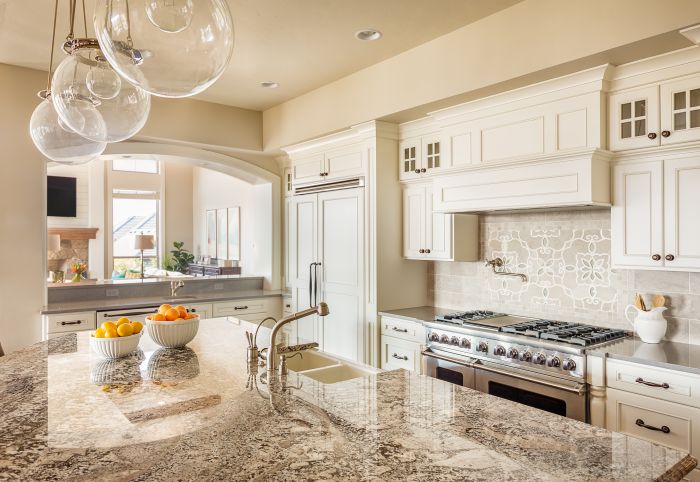
- Countertops. Quartz remains a strong, durable choice that reads as updated to most buyers without the maintenance concerns some natural stones carry. If your current counters are dated laminate or heavily patterned granite from an earlier design era, this is often one of the higher-impact updates available.
- Backsplashes - Backsplashes below counters and behind ranges and cooktops can have a high-value impact on the look and feel of a kitchen. There are many options for tile available and do not require large-scale cost or application. They're easy to clean, too.
- Cabinet refacing or refinishing. Full cabinet replacement is expensive and doesn’t always outperform a well-executed refacing or professional repaint, particularly if the existing cabinet boxes are solid wood and structurally sound. Buyers respond to a clean, current look more than to the specific manufacturing method behind it.
- Lighting. Updated fixtures and under-cabinet lighting are a comparatively low-cost change that meaningfully affects how a kitchen photographs and shows — an outsized return for the investment involved.
- Neutral, timeless finishes. Highly specific or trend-driven choices — a bold statement backsplash, an unusual cabinet color — can limit your buyer pool even if you personally love them. Neutral doesn’t mean bland; it means choices that a broad range of buyers can picture living with.
What’s More About Enjoyment Than ROI
- High-end appliance packages. Professional-grade ranges and built-in refrigeration look impressive, but they rarely return their full cost at resale unless you’re in a price tier where buyers expect them as standard. If you’re planning to stay in the home for years, buy for your own use. If you’re renovating specifically to sell, a mid-to-upper-tier appliance package is usually the more efficient spend.
- Full layout reconfigurations. Moving plumbing and gas lines to change a kitchen’s footprint is one of the most expensive renovation categories and one of the hardest to recoup fully at resale, unless the existing layout has a genuine functional problem (a galley kitchen with no counter space, for example).
- Highly custom built-ins. Features tailored precisely to your specific habits — a dedicated coffee station, a built-in wine wall — add enjoyment for you but don’t always translate to buyer value, since the next owner may not share the same use case.
A Note on Budget and Market Positioning
The right renovation scope depends heavily on your home’s price point and your neighborhood’s comparable sales.
A full high-end renovation in a home priced below the neighborhood’s typical range may not fully return its cost; a modest update in a home that’s otherwise competitive can be exactly what’s needed to match buyer expectations. This is where a CMA specific to your neighborhood is more useful than general renovation advice.
Before You Start
If you’re renovating specifically to sell rather than to enjoy long-term, it’s worth a conversation with your agent before committing to a scope of work. What buyers expect varies by price point and neighborhood, and the highest-ROI renovation in one market can be an overinvestment in another.
Thinking through a pre-sale renovation? The Faber + DoVale Team can help you scope updates against what buyers are actually paying for in your specific market.
Karen Faber is a top-producing REALTOR® with the Faber + DoVale Team at Harry Norman, REALTORS®, specializing in Roswell, Alpharetta, Marietta/East Cobb, Woodstock, Sandy Springs, Milton, and Johns Creek.